ALL-22
Tactical Football Simulator
22 players. 22 decisions.
Twenty-two men read the play and make their own calls, one snap at a time. Here's how the game plays and how the league runs.
ALL-22
Tactical Football Simulator
22 players. 22 decisions.
Twenty-two men read the play and make their own calls, one snap at a time. Here's how the game plays and how the league runs.
The Play Lab
Draw it. Tag it. Snap it.
A blank field and the pro rulebook. Line up in any formation, hand each man his job, and watch twenty-two players take it from there.

The timeline
Snap it before they're ready.
Go no-huddle and the defense is caught: stuck in its personnel, out of time to disguise, scrambling to get set. Use a hard count and watch them jump offside. Or milk the play clock to the last second. Tempo is a weapon here, and the defense feels it.

- One track per man. Stem, break and settle for the receivers; the drop and the reads for the quarterback.
- Diamonds at the breaks. Drag one and the route runs on the new time.
- Pre-snap lives here too. Motion and shifts sit left of the gold Snap line.
The Inspector
Twenty-two minds. One play.
Every man on the field is thinking, every fraction of a second. The corner reads the receiver's hips, the linebacker keys the guard, the quarterback works his progression, and each one reacts to what the others just did. Nothing is scripted. The play is what twenty-two decisions add up to.
Quarterback
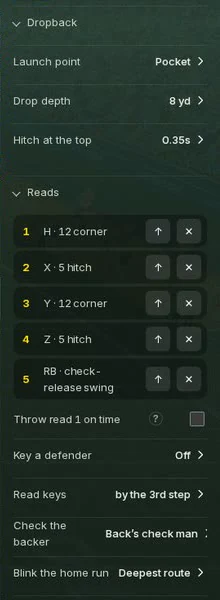
Drop depth, the hitch, his read order and the keys he checks.
Receiver
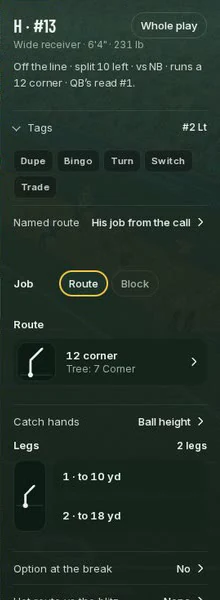
His route from the tree, each leg, how he catches it, what he does vs the blitz.
Running back
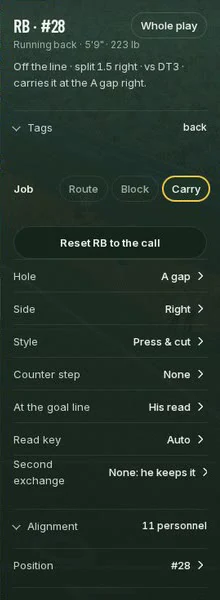
His hole and side, his running style and his read key.
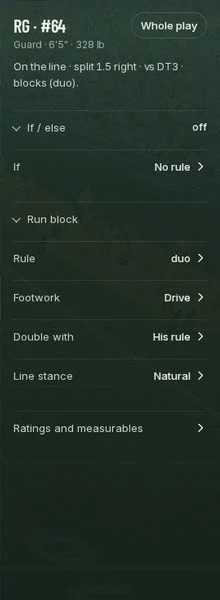
Guard
His run-block rule, his footwork, who he doubles with.
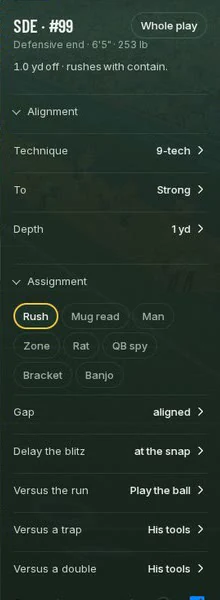
Defensive end
Technique, gap, when he goes, the tools he uses to beat a block.
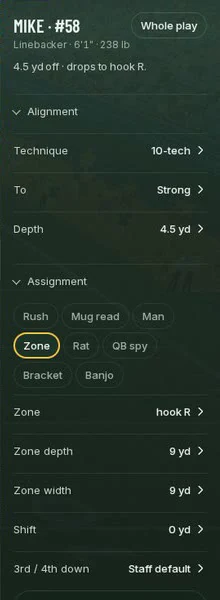
Linebacker
Where he aligns, his zone drop, how deep and wide, his key.
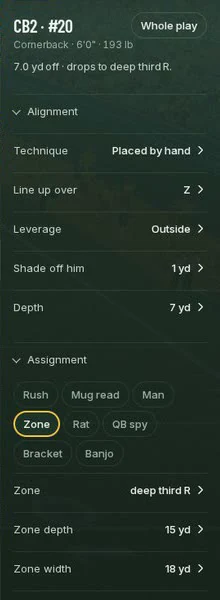
Corner
Who he lines up over, his leverage, his cushion, his eyes.
Coaching grammar
Talk football.
The calls you hear on a broadcast, the ones you yell at the TV: they're real here. Tag a route, name a motion, split the field. Say it the way a coach would, and your players run exactly that.
- Dupe
- Bingo
- Switch
- Trade
- Swap
- Bunch
- Stack
- Zip
- Fling
- Hat
- Hinge
- Pre-snap. Front rules, tempo, snap counts. Kill it, flip it, check to a screen.
- Defense. Front, line movement, pressure, coverage, force and contain.
- Guard rails. Only what the rulebook forces: a legal formation, eligible numbers, motion and shift rules.
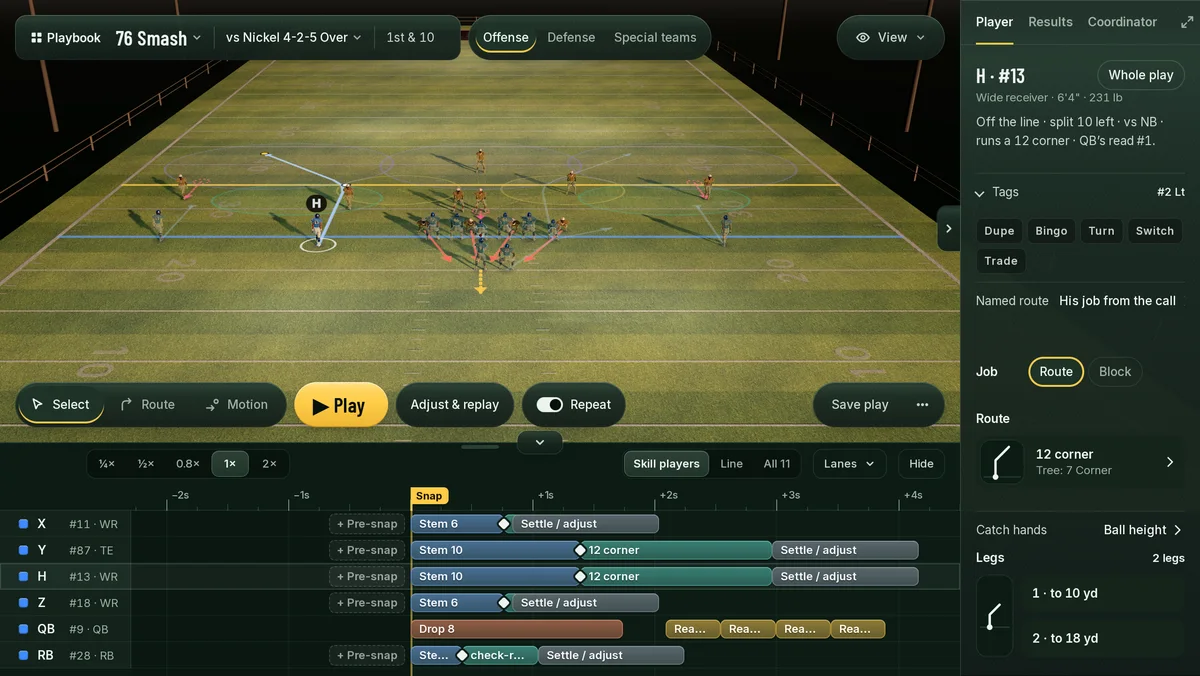
Live football
Then they play it.
Results come out of twenty-two bodies, reads and collisions. The same call can go two ways, and you'll see why.
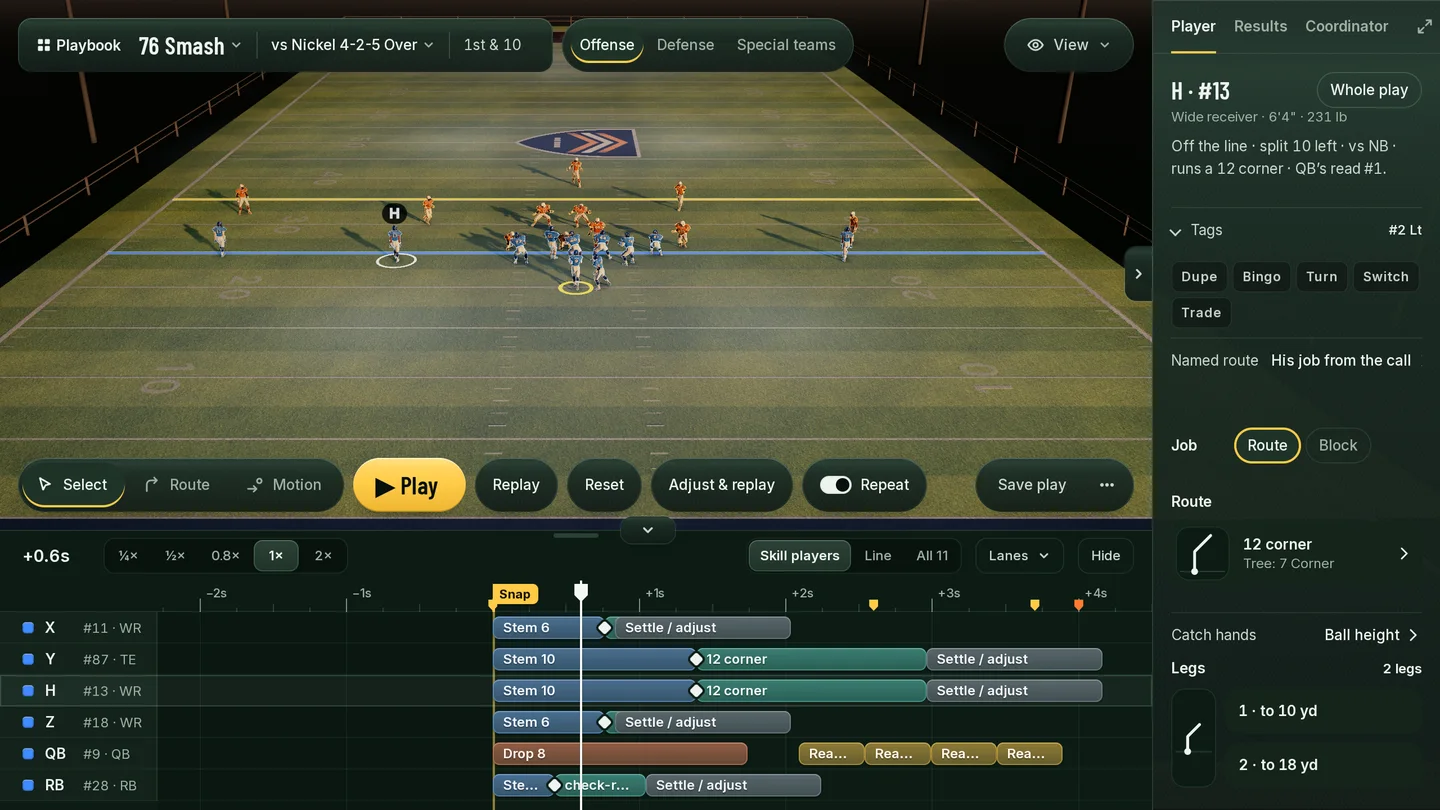
Adjust & replay
Change one thing. Run it again.
Same rep, same defense, one change. See what it did.
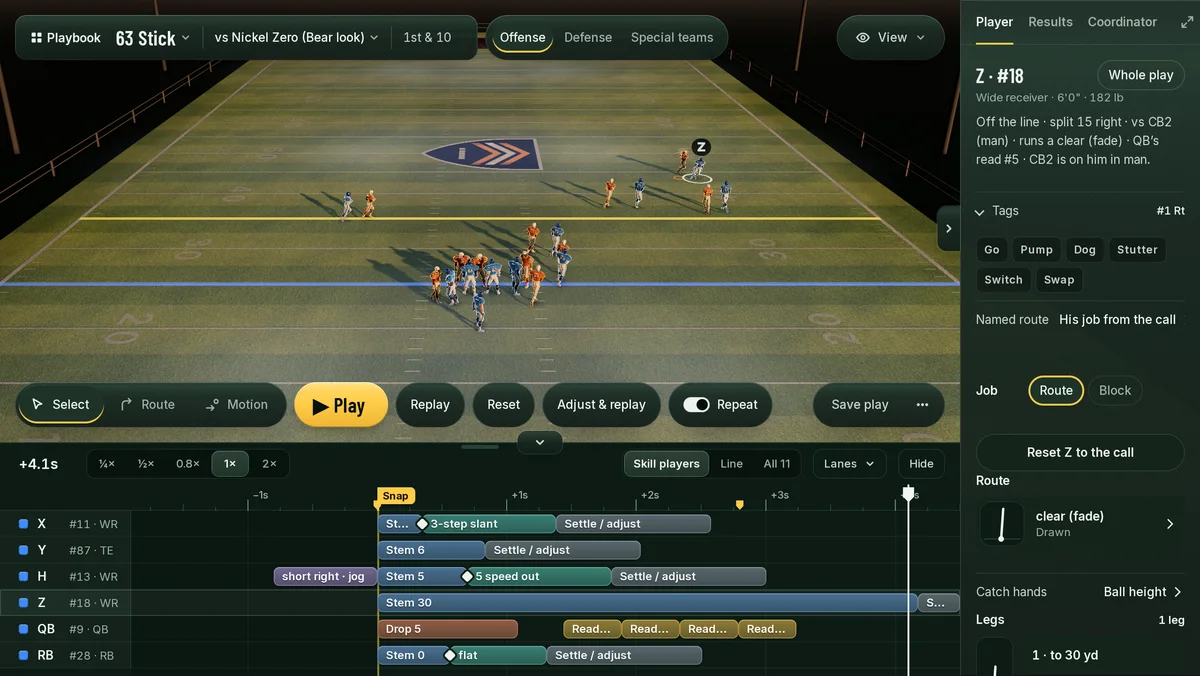
Before
Z clears out on a fade. The quarterback throws it to him and the corner breaks it up.
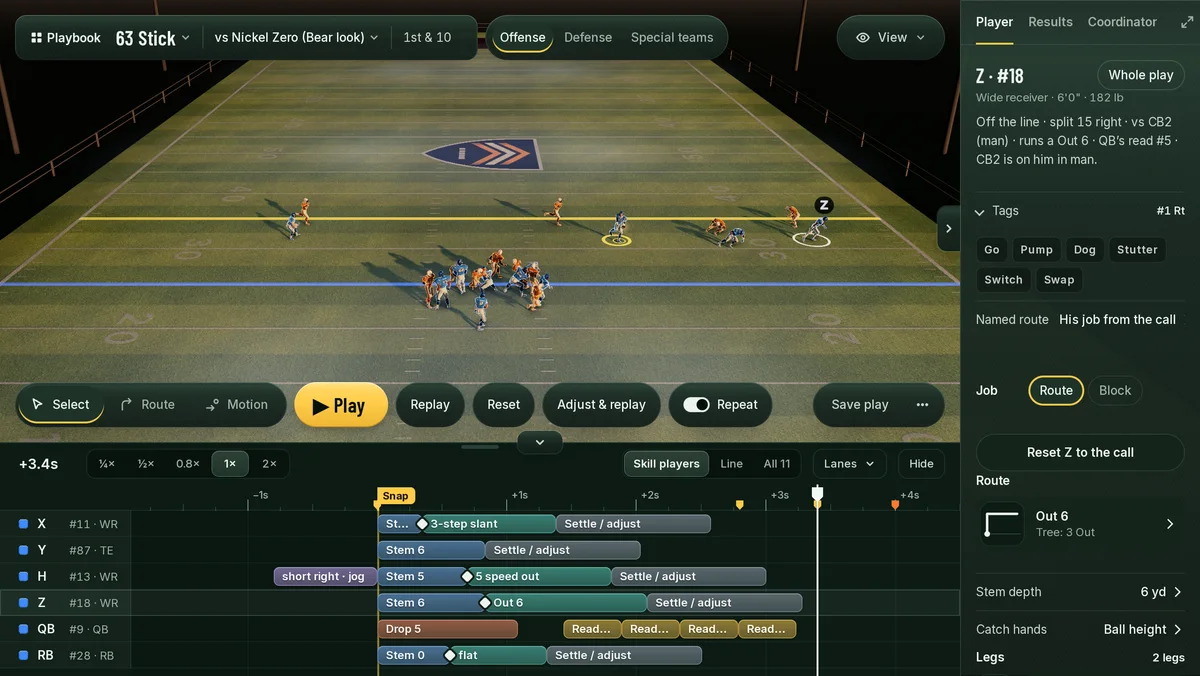
After
Z runs an out instead. The quarterback works to the tight end on the stick: caught, and upfield for a big gain.
In the Play Lab
Where plays get made.
- PlaybooksOffense and defense books, plus sandbox books to break.
- Special teamsPunt, field goal and kickoff units, each one designable.
- Pre-snapFront rules, tempo, snap counts, disguise and walk-downs.
- DefenseCall it like a coordinator: front, movement, pressure, coverage.
- Plays start in the huddleWalk-up, break, set, snap.
- ThoughtsWhat all 22 are thinking as the play runs.
- TelemetryTrails, speed and separation on the 3D field.
- ResultsRun it many times. See what happened, and why.
The Play Lab
Draw it. Tag it. Snap it.
A blank field and the pro rulebook. Line up in any formation, hand each man his job, and watch twenty-two players take it from there.
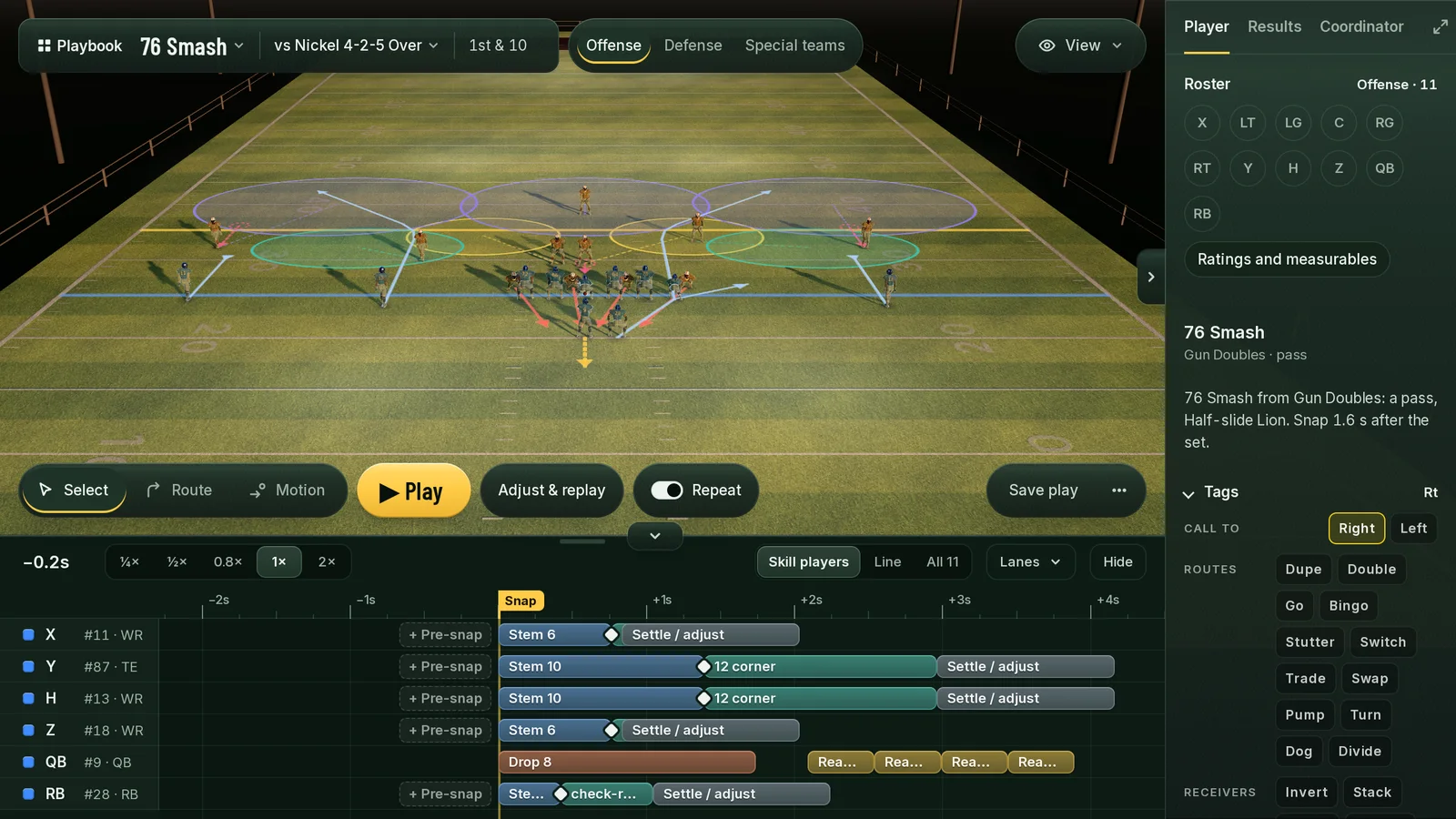
The timeline
Snap it before they're ready.
Go no-huddle and the defense is caught: stuck in its personnel, out of time to disguise, scrambling to get set. Use a hard count and watch them jump offside. Or milk the play clock to the last second. Tempo is a weapon here, and the defense feels it.
- One track per man.Stem, break and settle for the receivers; the drop and the reads for the quarterback.
- Diamonds at the breaks.Drag one and the route runs on the new time.
- Pre-snap lives here too.Motion and shifts sit left of the gold Snap line.
The Inspector
Twenty-two minds. One play.
Every man on the field is thinking, every fraction of a second. The corner reads the receiver's hips, the linebacker keys the guard, the quarterback works his progression, and each one reacts to what the others just did. Nothing is scripted. The play is what twenty-two decisions add up to.
Quarterback
Drop depth, the hitch, his read order and the keys he checks.
Receiver
His route from the tree, each leg, how he catches it, what he does vs the blitz.
Running back
His hole and side, his running style and his read key.
Guard
His run-block rule, his footwork, who he doubles with.
Defensive end
Technique, gap, when he goes, the tools he uses to beat a block.
Linebacker
Where he aligns, his zone drop, how deep and wide, his key.
Corner
Who he lines up over, his leverage, his cushion, his eyes.
Coaching grammar
Talk football.
The calls you hear on a broadcast, the ones you yell at the TV: they're real here. Tag a route, name a motion, split the field. Say it the way a coach would, and your players run exactly that.
- Dupe
- Bingo
- Switch
- Trade
- Swap
- Bunch
- Stack
- Zip
- Fling
- Hat
- Hinge
- Pre-snap. Front rules, tempo, snap counts. Kill it, flip it, check to a screen.
- Defense. Front, line movement, pressure, coverage, force and contain.
- Guard rails. Only what the rulebook forces: a legal formation, eligible numbers, motion and shift rules.
Live football
Then they play it.
Results come out of twenty-two bodies, reads and collisions. The same call can go two ways, and you'll see why.
Adjust & replay
Change one thing. Run it again.
Same rep, same defense, one change. See what it did.
Before
Z clears out on a fade. The quarterback throws it to him and the corner breaks it up.
After
Z runs an out instead. The quarterback works to the tight end on the stick: caught, and upfield for a big gain.
In the Play Lab
Where plays get made.
- PlaybooksOffense and defense books, plus sandbox books to break.
- Special teamsPunt, field goal and kickoff units, each one designable.
- Pre-snapFront rules, tempo, snap counts, disguise and walk-downs.
- DefenseCall it like a coordinator: front, movement, pressure, coverage.
- Plays start in the huddleWalk-up, break, set, snap.
- ThoughtsWhat all 22 are thinking as the play runs.
- TelemetryTrails, speed and separation on the 3D field.
- ResultsRun it many times. See what happened, and why.
Ratings
His ratings show up on the field.
Put two men on the same job and you get two different plays. What he sees, how fast he reacts and how clean he finishes come from his ratings.
It plays like football.
A big tackle carries his weight. A throw has to beat the wind. A hit answers to momentum. The players earn the result.
Measured men
Height, weight, forty time. A 4.6 receiver runs a 4.6. Speed comes off the stopwatch.
Momentum
Mass decides who gives. The tackle holds his ground. The back goes down. Piles build themselves.
The hit
A tackle is a collision. How two men meet decides whether it ends in a wrap, a big hit, a drag-down or an ankle trip. Fumbles come off the hit.
The trenches
Linemen fight hand to hand, all day. Punch, swim, rip, long arm, anchor. Pressure gets earned the hard way.
Ball flight
The ball leads the receiver and the wind pushes back. Tipped balls stay alive. A loose ball bounces the way a football does.
The QB's eyes
A better quarterback sees more of the field. Safeties watch his eyes. A good look-off moves them.
Fatigue
A burst costs something, and the bill follows him down the field. Go hurry-up and make the defense play tired.
Weather and venue
Wind helps one end and hurts the other. Rain, snow, turf, altitude and a loud building all get a vote.
The math
What's under the hoodA man carries his own weight at his own speed. Big and fast is hard to stop.
How hard two men meet comes from both their weights and how fast they close.
Where the pile goes. A big back keeps falling forward; a big hit stops him cold.
His own top speed, and how quickly he gets there.
Air slows the ball. Deep balls hang, and the wind has its say.
Passes, punts and kicks rise and fall on a true arc, from the release to the hands.
How the league works
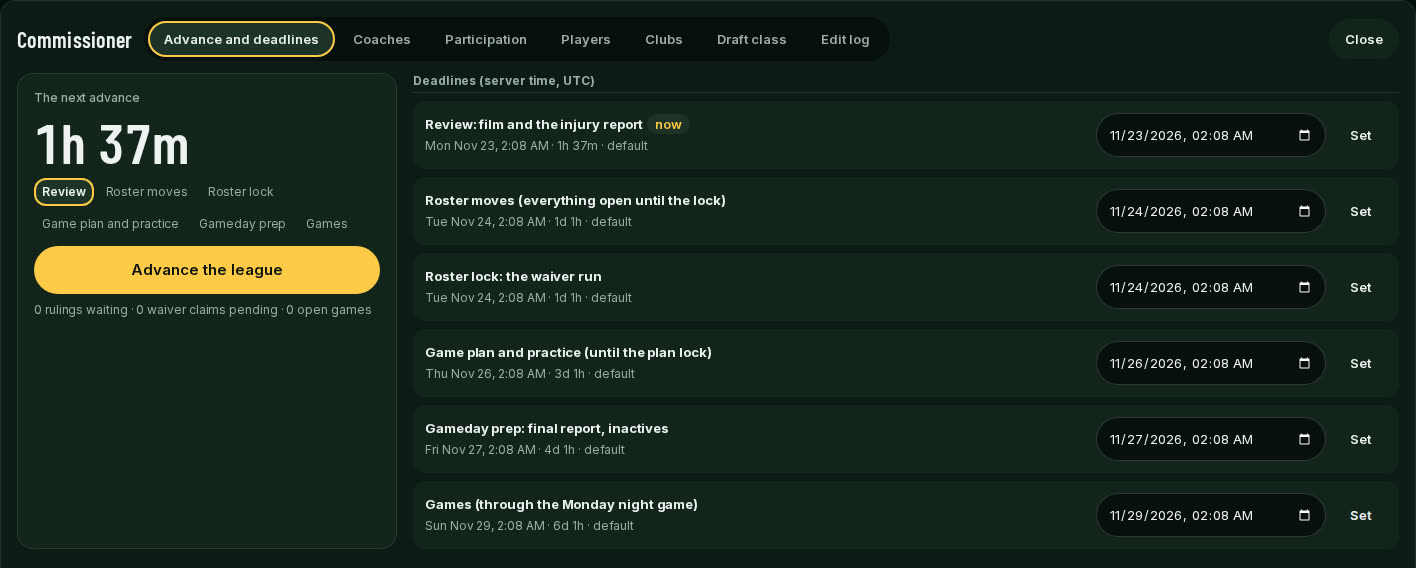
Thirty-two clubs. One commissioner. Your week.
Scout. Plan. Play. Watch the film. Repeat. The whole league moves on one clock.
- A commissioner runs itInvites coaches, sets the calendar and keeps the record, with changes logged for all to see.
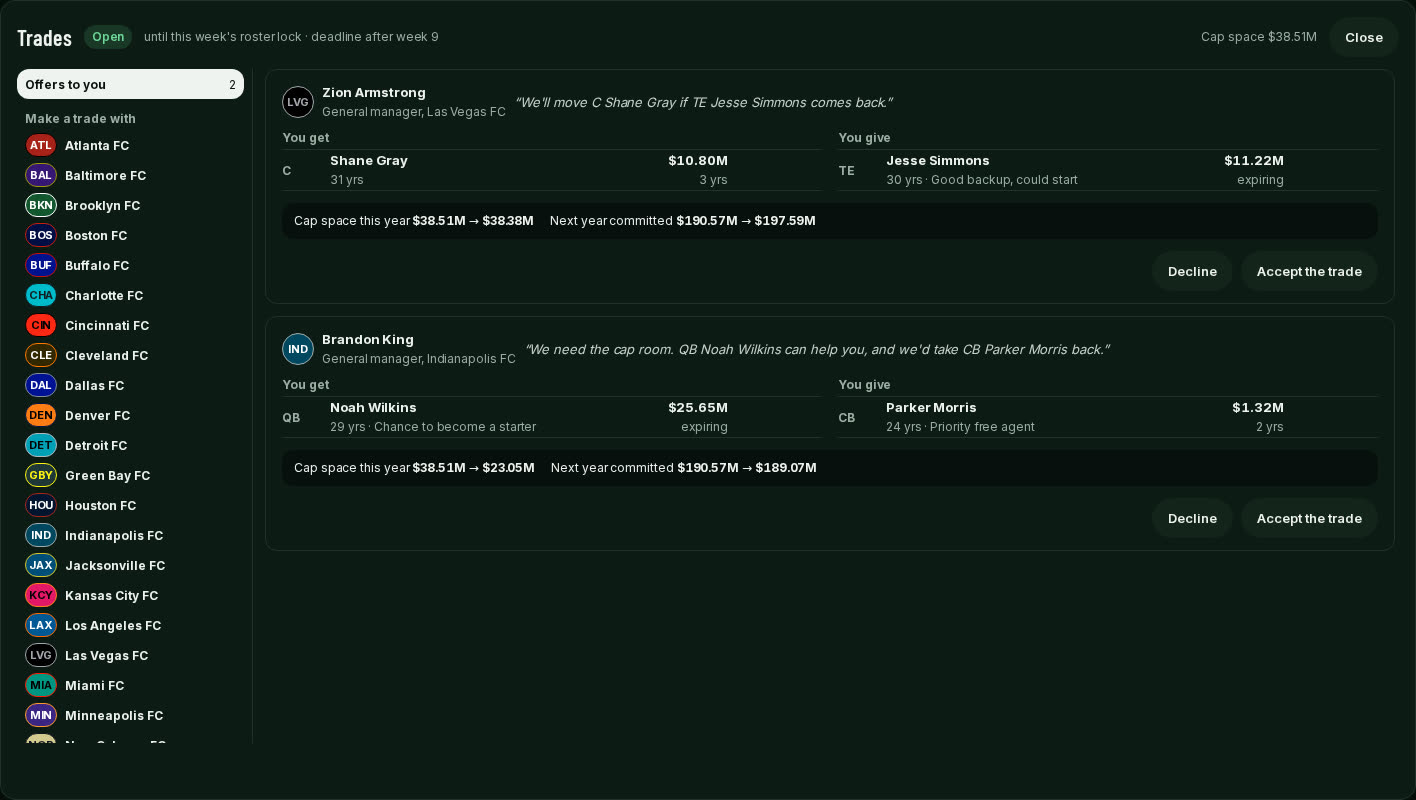
- Coaches and AI GMsHuman coaches take clubs. AI GMs run the clubs still waiting for one, and they trade like they mean it.
- One league clockRoster lock, plan lock, kickoff. The week turns over for the whole league at once.
The week
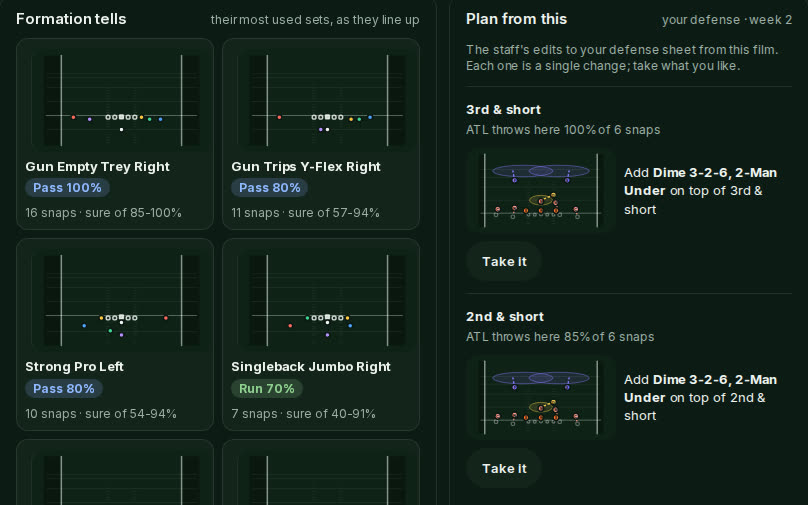
1Scout them
Your advance scout breaks down next week’s opponent. Take the counters you like.
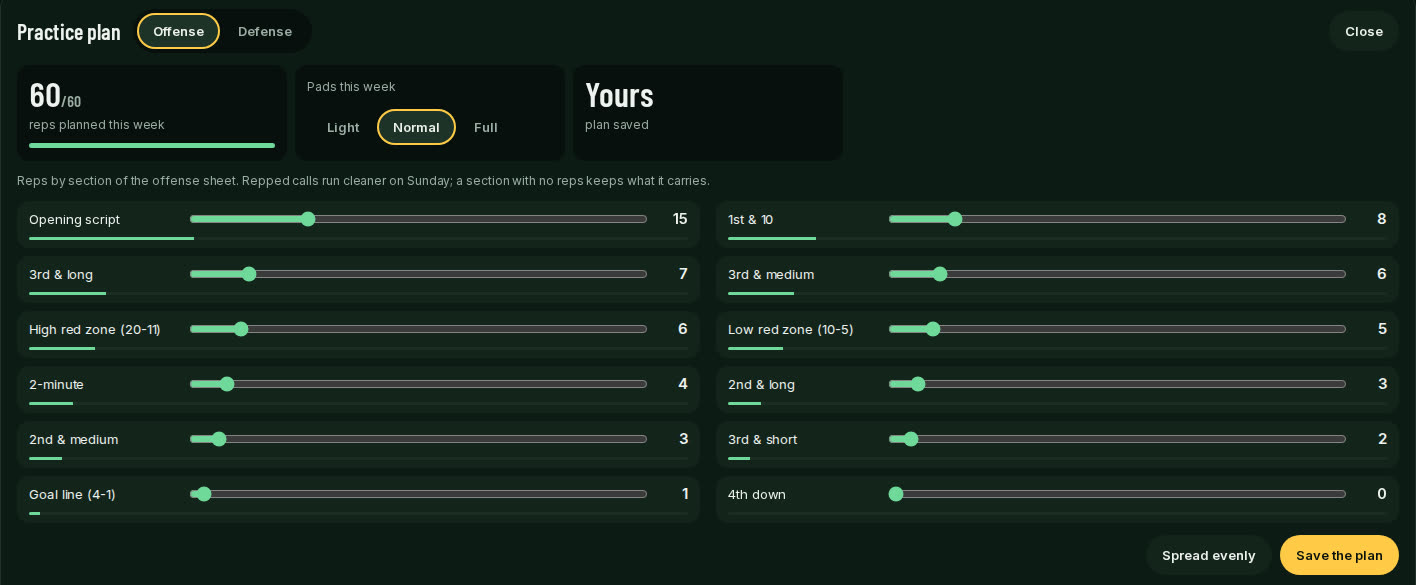
2Plan + practice
Build the call sheet and rep it in practice. Reps install the calls.
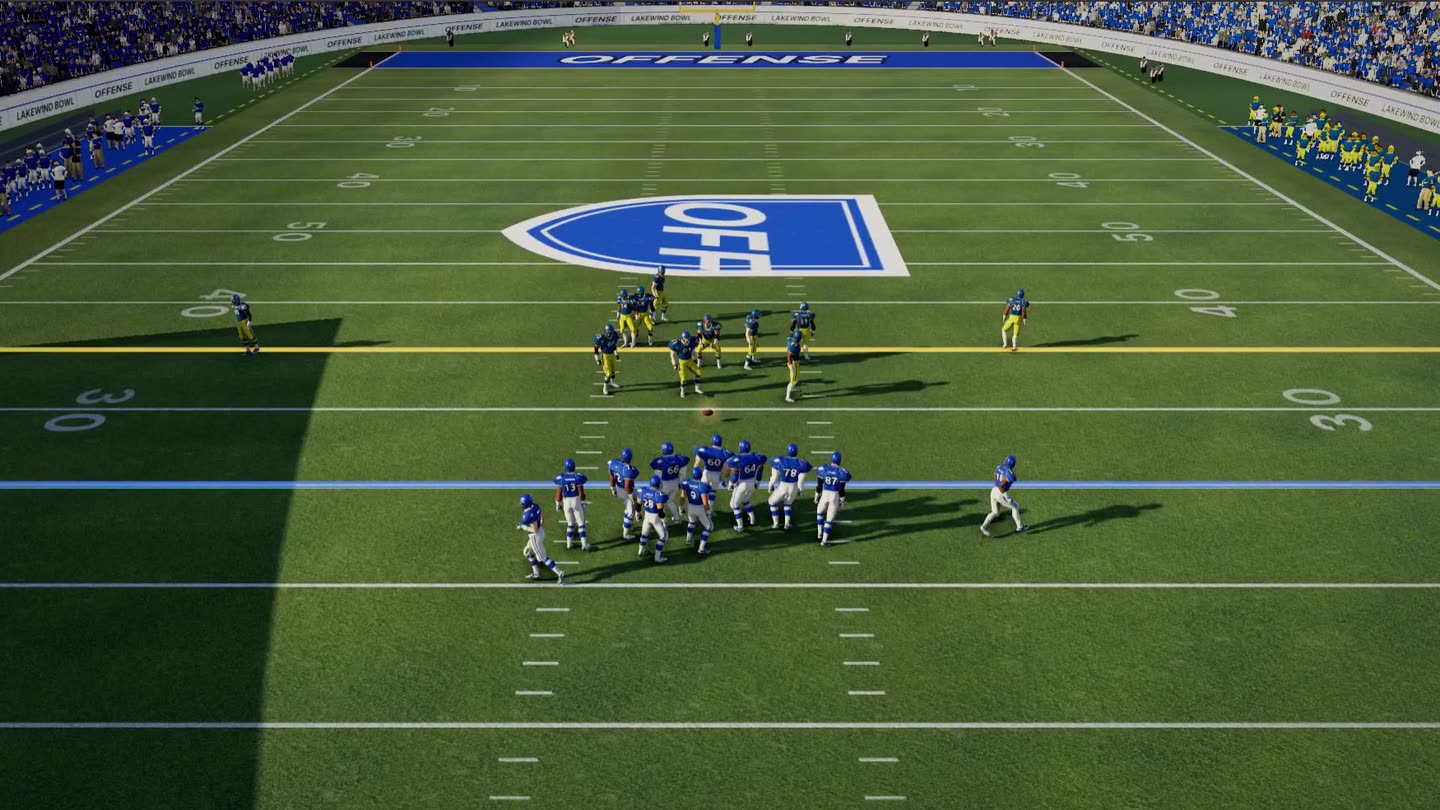
3Game day
Call it live from the sideline, or let your sheet run the game.
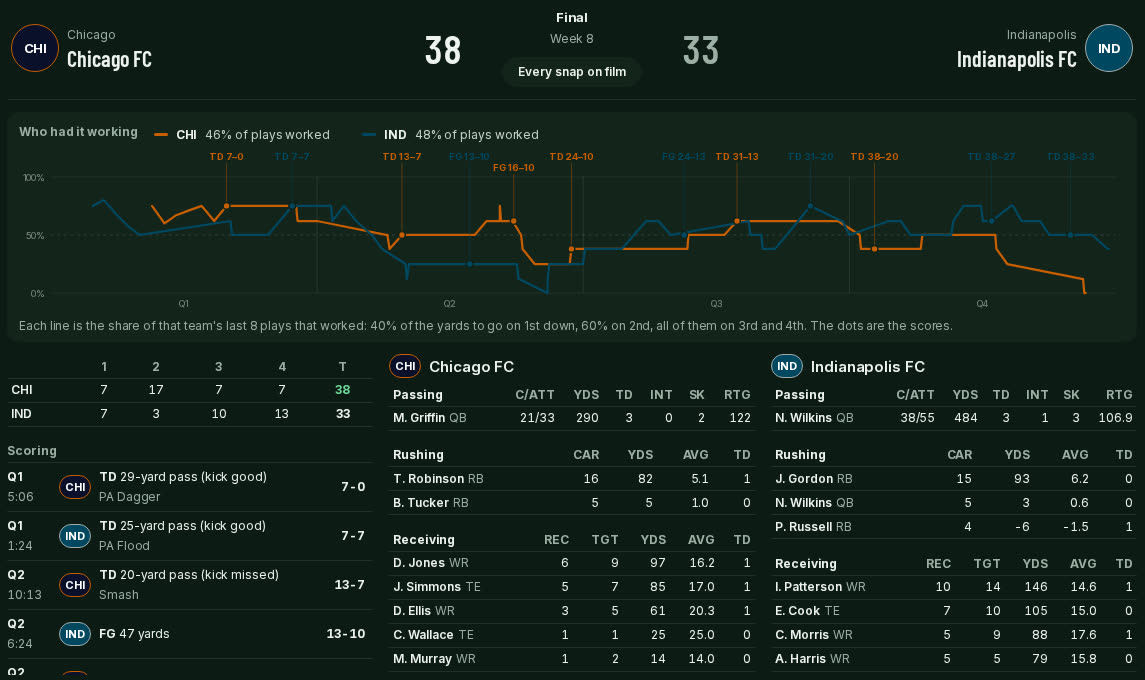
4Film + stats
The game goes in the book and the film goes in the room. Then next week starts.
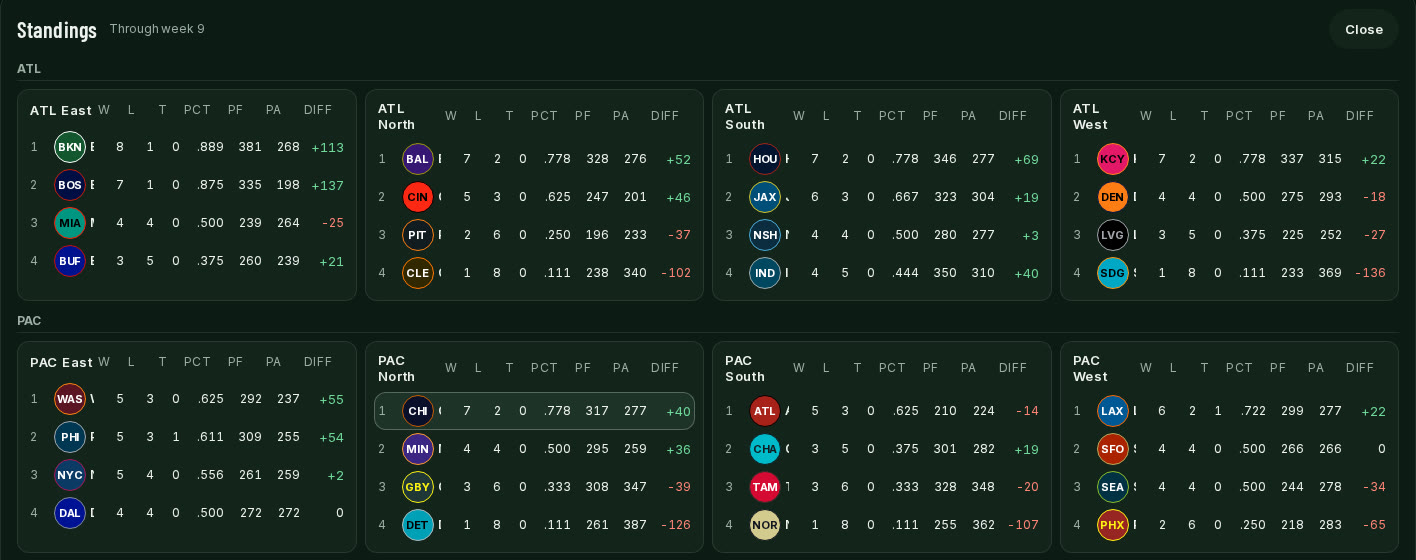
The season
Eighteen weeks, pro tiebreakers, a playoff bracket.
The offseason
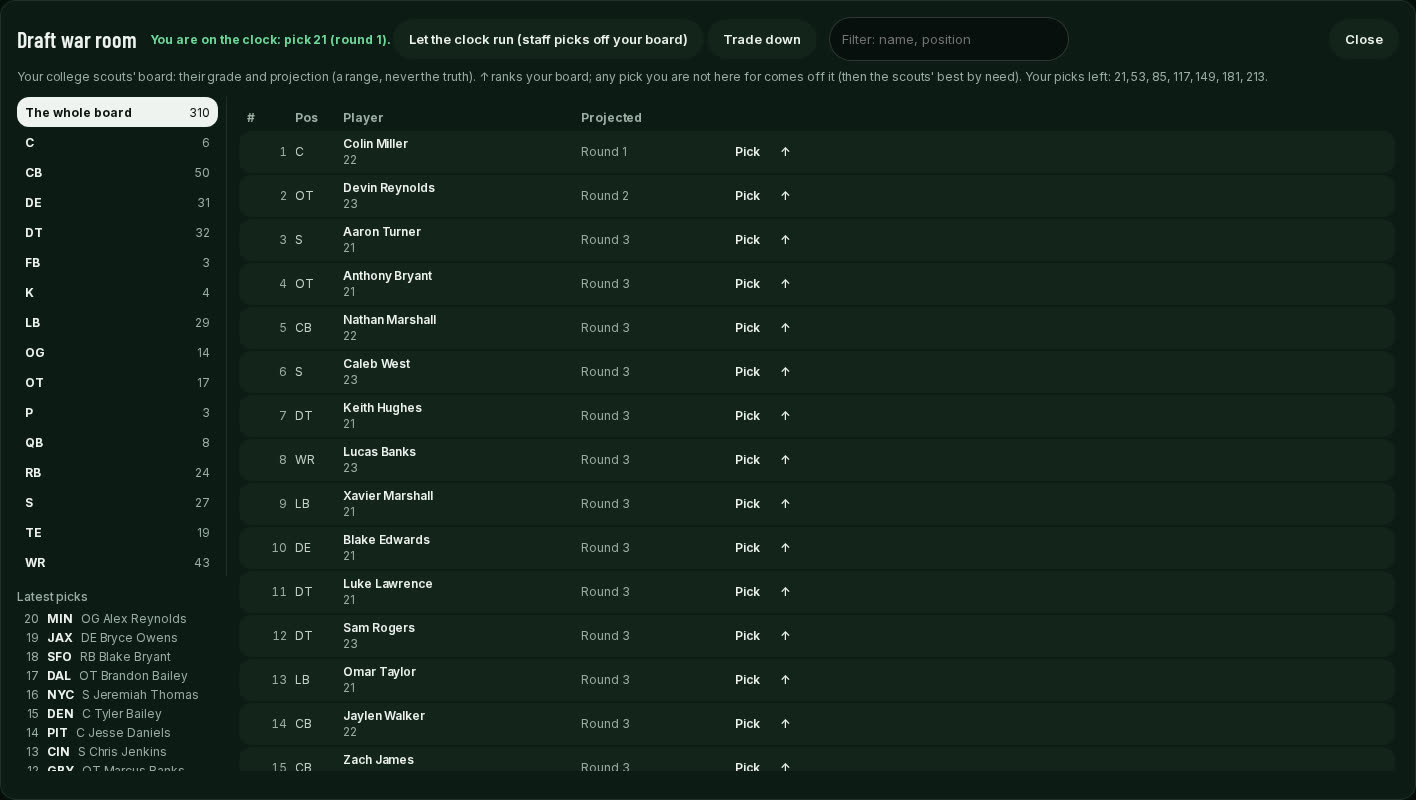
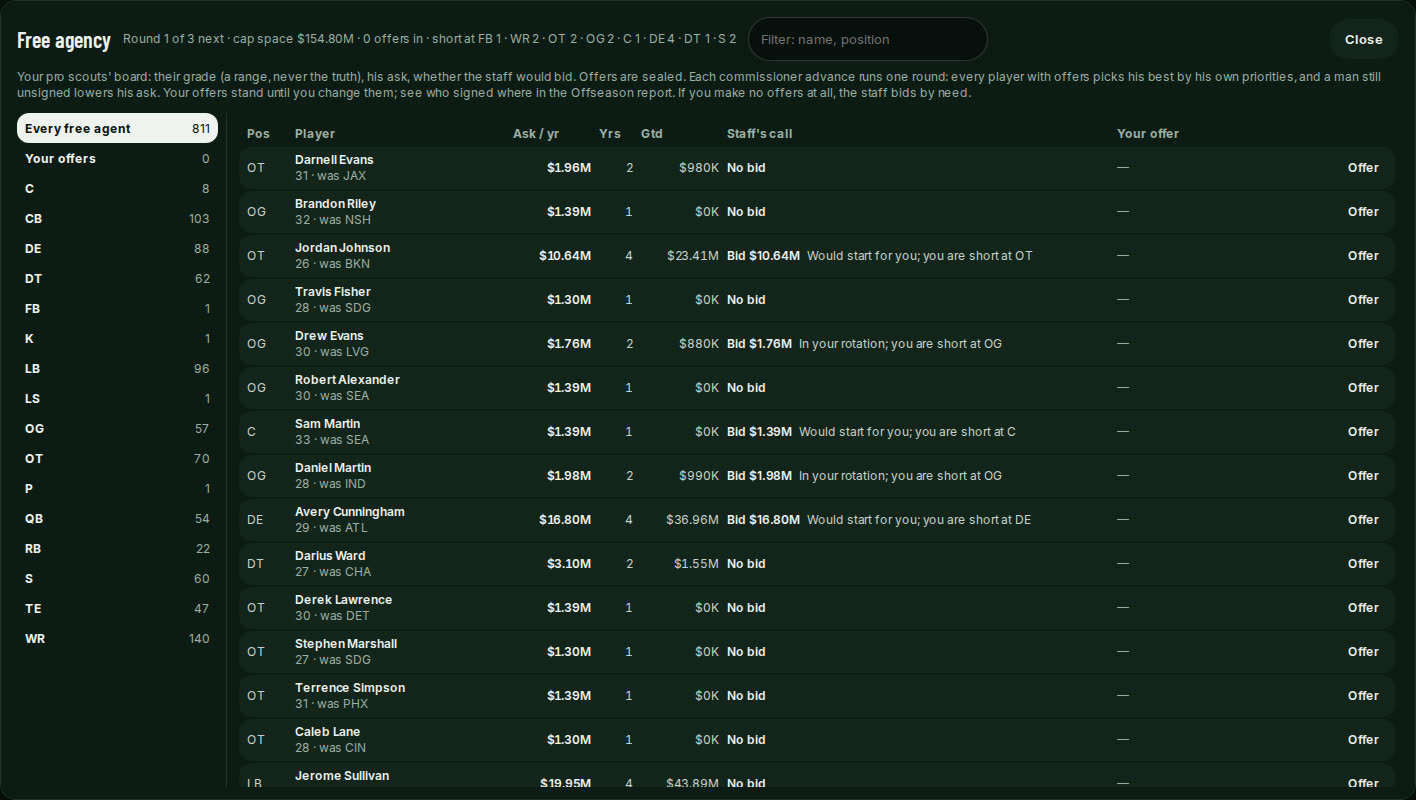
Draft through your scouts' fog. Bid in free agency under the cap. Trade with GMs who each have an angle.Draft through the fog. Bid under the cap. Trade with GMs who have angles.
Your league
Join a league run by a commissioner, with changes on the record for all to see. AI GMs run the clubs still waiting for a coach.A commissioner runs the league, changes on the record. AI GMs run the open clubs.